Customer Engagement Plan: A Step-by-Step Guide for SaaS
Engagement is the cornerstone of lasting customer relationships, impacting everything from brand reputation to customer lifetime value. An effective customer engagement plan goes beyond attracting new customers—it focuses on fostering loyalty, driving satisfaction, and creating meaningful connections that keep customers coming back.
This guide walks through the essential steps to creating a powerful customer engagement plan, providing a roadmap to help you build long-term relationships that benefit both your customers and your brand.
What Is a Customer Engagement Plan?
A customer engagement plan outlines how a business will interact with customers across various stages of their journey, with the aim of improving overall customer experience. The plan involves understanding customer needs, preferences, and behaviors—then creating a strategy that aligns with these insights.
Whether it's through email campaigns, customer service interactions, onboarding, community, or any other touchpoint, a customer engagement plan ensures consistency, relevance, and personalization in each interaction. This allows businesses to retain their existing customer base while fostering trust that differentiates them in the market.
Step 1: Define Your Customer Engagement Goals
Each goal must be chosen strategically so your brand has a clear roadmap of how your plan aligns with business objectives. The SMART framework helps you stay on track and adapt your plan when necessary.
Specific: Vague goals lead to poor results. Instead of saying "We want to improve engagement," create a specific goal like "We want to reduce churn rate by 15%."
Measurable: Without quantifiable metrics, it's challenging to gauge progress. If your objective is to boost customer feedback, have a target number and the right tools to track progress.
Achievable: Lofty goals can be inspiring, but if they're too far from reach, they lead to demotivation. Achievable goals strike a balance between ambitious and realistic.
Relevant: Every goal should align with broader business objectives. If you're aiming to increase retention for your SaaS product, engagement activities should reflect that.
Time-bound: Deadlines create urgency. Setting a clear timeframe ensures momentum and helps prioritize resources efficiently.
Goals to Consider
Enhance customer loyalty by ensuring customers feel valued and recognized, leading them to prefer your brand over competitors.
Deepen customer relationships by understanding evolving needs and delivering experiences that align with them, nurturing bonds beyond transactions.
Increase customer retention by focusing on keeping existing customers rather than constantly acquiring new ones—it's more cost-effective in the long run.
Improve brand reputation by building spaces where customers share experiences with each other, establishing your business as an authority.
Boost customer advocacy by creating experiences so positive that customers willingly promote your brand within their networks.
Optimize multi-channel engagement by offering seamless experience across all platforms with consistent messaging and design.
Enhance responsiveness to feedback by acknowledging customer input quickly and effectively, showcasing your commitment to continuous improvement.
Step 2: Create Customer Profiles and Personas
Not all customers are the same, and they want different experiences. Research shows that most consumers expect personalized interactions—and get frustrated when this doesn't happen.
Create Segments
Segmentation divides your target market into groups with similar preferences and characteristics. The goal is creating more tailored strategy so you don't target your whole market at once. Segmentation helps identify engagement opportunities while preventing wasted resources on irrelevant content.
Create Personas
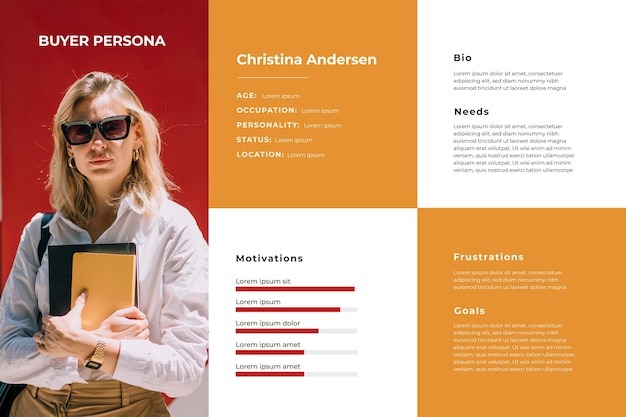
With segmentation data, create semi-fictional personas that mirror shared characteristics of your segments. Depending on your business, create personas based on background, role, location, pain points, and industry. These detailed personas help you understand segments by humanizing them and making it easier to learn about the interactions they want.
Create Customer Profiles
Customer profiles describe the person or organization you want to sell to—those who would benefit most and deliver the best return.
For B2B companies, profiles center around the business's needs, size, industry, buying patterns, and decision-making processes. For B2C, profiles center around personal demographics, buying habits, preferences, and lifestyle.
Creating segments, personas, and profiles isn't a one-off task. It's an ongoing process of understanding, refining, and adapting. By continually updating profiles and analyzing behaviors, you can ensure engagement strategies remain relevant and impactful.
Step 3: Map the Customer Journey
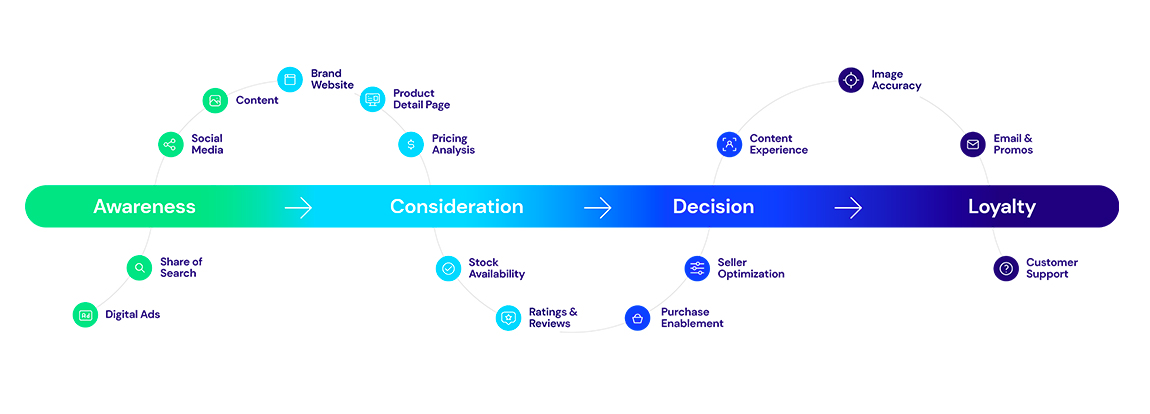
The customer journey is every action a customer has with your brand from first awareness to after purchase. A customer journey map visualizes this journey, telling the story of how customers interact with your brand at every touchpoint.
Map your customer's journey by listing all touchpoints across every stage.
Awareness stage: Organic social posts, paid ads, and content that introduce your brand to new audiences—blog posts, videos, infographics, podcasts.
Consideration stage: Product pages, service descriptions, FAQs, and chatbots that provide deeper insights about your offerings.
Decision stage: Sales interactions, personalized conversations, and timely offers that help convert prospects.
Loyalty stage: After-sales service, help desks, community access, and self-service support channels.
Identify Engagement Opportunities
Once you've mapped the journey, use it to find engagement opportunities by analyzing data at different touchpoints.
Social listening: Monitor mentions of your brand, products, or industry terms on social platforms. This helps spot trends, pain points, or emerging needs in real-time.
Community insights: If you have a branded community, it provides insights into what customers are discussing, their pain points, their needs—and how you can improve engagement.
Data analysis: Monitor user behavior on your website. Look for patterns like which pages they spend the most time on or where they drop off.
Step 4: Create Your Engagement Strategy
Crafting your engagement plan involves aligning goals with different customer needs across all journey stages.
Tactics for New Customers
Educational content: New customers may be unfamiliar with your brand or products. Offering informative articles, webinars, or tutorial videos helps them get started.
Welcome offers: A discount or special offer sweetens the introduction, making new customers feel valued and incentivizing initial engagement.
Onboarding programs: Guided and self-service onboarding helps new users understand and navigate your offerings. Offering access to your community as part of onboarding creates immediate connection.
Tactics for Existing Customers
Loyalty programs: Rewarding loyal customers recognizes their continued support and encourages repeat business through personalized offers, programs, or exclusive events.
Exclusive previews: Let existing customers have first access to new products, services, or content. This exclusivity enhances their connection with your brand.
Feedback sessions: Regularly soliciting and acting on feedback from long-term customers makes them feel heard and drives product evolution.
Tactics for Dormant Customers
Re-engagement campaigns: Use targeted email or advertising campaigns to remind them of what they're missing.
Feedback surveys: Understanding why a customer became inactive can be key to winning them back. Surveys provide insights and show you care about their experience.
Special offers: Sometimes a special discount or exclusive offer rekindles interest.
Tactics for High-Value Customers
Dedicated account managers: Personalized service ensures high-value clients always have a point of contact.
Custom offers: Personalized deals or packages cater directly to their unique needs and preferences.
Invitations to brand events: Inviting valuable customers to special events fosters deeper relationships and offers networking opportunities.
Step 5: Implement Your Plan
When implementing your engagement plan, follow several best practices.
Unified Experience Across Departments
Whether a customer interacts with sales or seeks support, there should be consistency in brand messaging, values, and service quality. Disjointed experience confuses customers and diminishes trust.
When marketing, sales, and support collaborate, they piece together different facets of the customer journey, ensuring seamless transitions that make customers feel valued at every touchpoint.
Stakeholder Involvement
Upper management's perspective is invaluable. Their broad view of organizational goals helps ensure engagement strategy aligns with larger business objectives. When key stakeholders feel invested in the plan, it fosters collective responsibility and better execution.
Detailed Budget
Understand where your resources are best spent. Are paid ads more effective for your brand, or should you invest in content marketing and community? Make informed decisions and regularly review expenditures to ensure spending aligns with outcomes.
Risk Awareness
Every engagement plan faces challenges. Anticipate hurdles—technology issues, market changes, or events affecting customer behavior. Always have a Plan B.
Team Training
Ensure your team has the right tools, routine training sessions, and periodic workshops focused on engagement strategies. The right preparation ensures effective execution.
Step 6: Evaluate and Refine
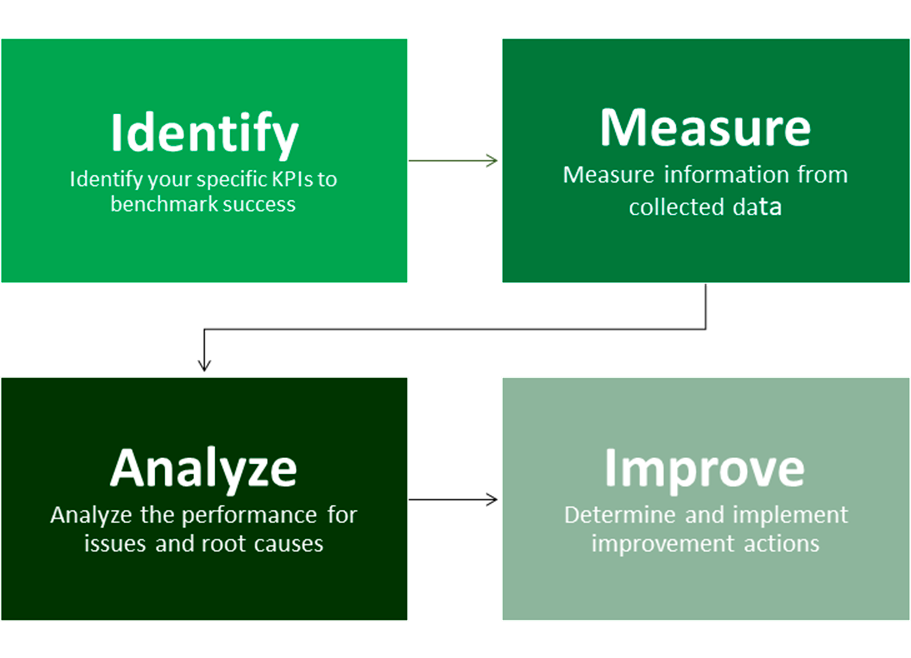
Periodically evaluate your plan's performance and make necessary refinements.
Key Metrics
Engagement rate: How often customers interact with your content, products, or services through comments, shares, likes, or other responses.
Customer retention rate: The percentage of customers who continue to buy or interact over a specific period. High retention indicates consistent, effective engagement.
Net Promoter Score (NPS): Gauges overall satisfaction and loyalty by asking how likely customers are to recommend you.
Customer lifetime value (CLV): The total worth of a customer over the entirety of their relationship. Increasing CLV often signals successful engagement strategies.
Feedback and surveys: Direct feedback provides invaluable insights into areas of success and potential improvement.
Customer engagement doesn't have a finish line. With preferences, trends, and technology continuously evolving, your plan should adapt to meet these shifts through regular review.
Building Your Plan with Community
Community plays a central role in modern engagement plans. It provides a space where customers interact, share feedback, and engage with each other—building loyalty and enhancing overall experience.
Community enables many engagement tactics simultaneously: onboarding through peer learning, loyalty through exclusive access, feedback through direct discussion, and re-engagement through ongoing value.
Platforms like Bettermode help you build customized communities with discussion forums, knowledge bases, events, and feedback tools. The platform integrates with popular tools like Slack, HubSpot, and Google Analytics, ensuring community fits into your broader engagement infrastructure.
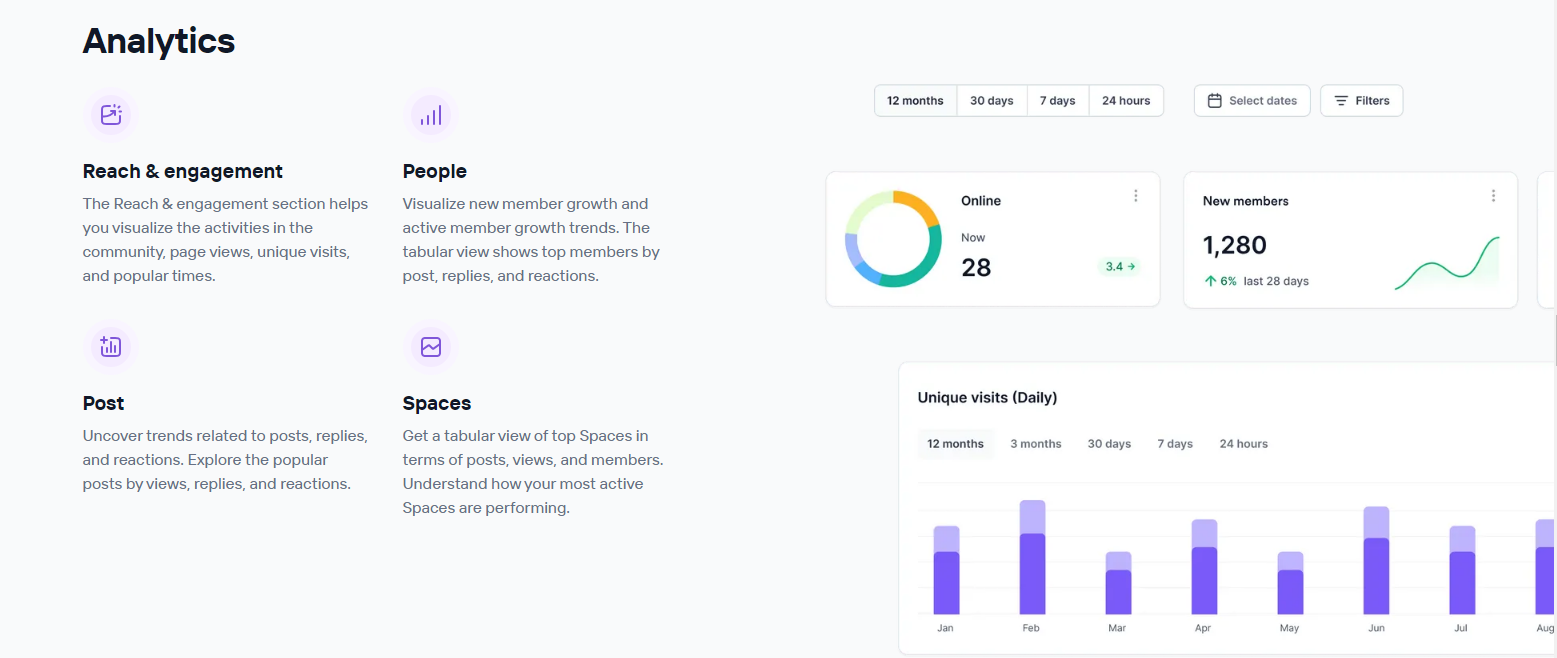
Analytics help you track engagement metrics and understand customer behavior, while gamification features encourage participation through recognition systems.
Ready to build your engagement plan? Talk to sales for a demo.
A community keeps the plan running between campaigns, and Toggy Grow keeps the community moving. It drafts follow-ups on questions that stall, routes them to members who have answered similar ones and welcomes new members, and every draft waits for your approval. See what Grow would draft for your community →
FAQs
How do we write a customer engagement plan?
Start by defining clear objectives aligned with business goals. Understand your customers through segmentation and personas. Map the customer journey and identify touchpoints. Develop tactics for different customer segments. Implement with cross-functional alignment. Measure results and refine continuously.
What are the 4 P's of customer engagement?
Personalization means tailoring interactions to individual needs and preferences. Proactivity means anticipating needs before they arise. Perseverance means maintaining consistent engagement across the entire customer lifecycle. Peer influence means leveraging customer networks and encouraging positive word-of-mouth.
What should be included in an engagement plan?
Customer understanding through segments and personas, clear objectives, customer journey mapping, multi-channel communication strategy, personalized content and offers, feedback collection mechanisms, performance metrics, and a process for continuous improvement.
How often should we update our engagement plan?
Review performance metrics monthly. Conduct deeper strategic reviews quarterly. Major plan updates should happen at least annually, or whenever significant changes occur in your product, market, or customer base.