Customer Engagement Software for B2B SaaS: Platform Selection Guide
From a marketer's point of view, customer engagement is a way to inspire more sales and increase revenue. But engaging customers is much more than that.
Customer interactions are crucial to building a powerful brand—a brand where both sides feel valued. By creating an optimal customer journey, you make the job easier for every team that touches customers.
This guide covers what customer engagement platforms are and how the right tools help you manage complex customer relationships.
What Is Customer Engagement Management Software?
Managing every aspect of customer interactions starts with finding the right tool. A customer engagement platform is software that helps teams manage interactions across multiple channels while tracking and optimizing those interactions.
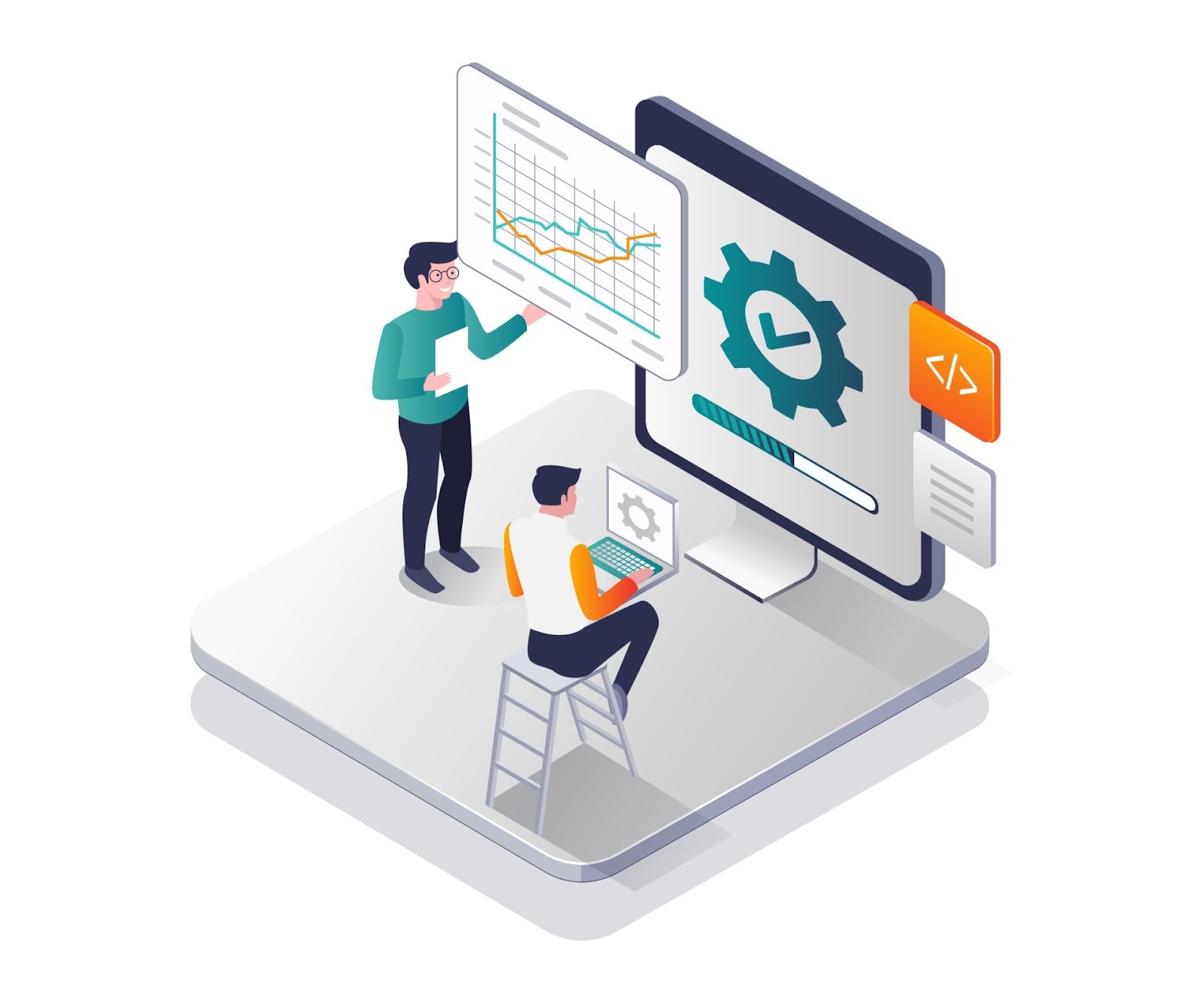
A good platform enables personalized communication, simple collection of feedback, and centralized storage of customer data. Overall, it ensures consistent engagement to drive satisfaction and retention.
The key difference from basic communication tools: engagement platforms create continuity across touchpoints rather than treating each interaction as isolated.
Core Features to Look For
Several features matter when evaluating customer engagement software. Some will be more relevant to your business than others.
CRM Integration
CRM software is the most common tool for managing customer relationships and storing data. While CRM is crucial for support and sales teams, pairing it with engagement software creates consistent experience and increases lifetime value.
When your engagement platform connects to your CRM, customer context flows between systems. Support knows what marketing has communicated. Sales knows what support issues a customer has faced. Everyone works from the same information.
Multichannel Communication Support
If you use multiple channels to reach customers—email, social media, SMS, live chat—you need software that supports all of them from a single platform.
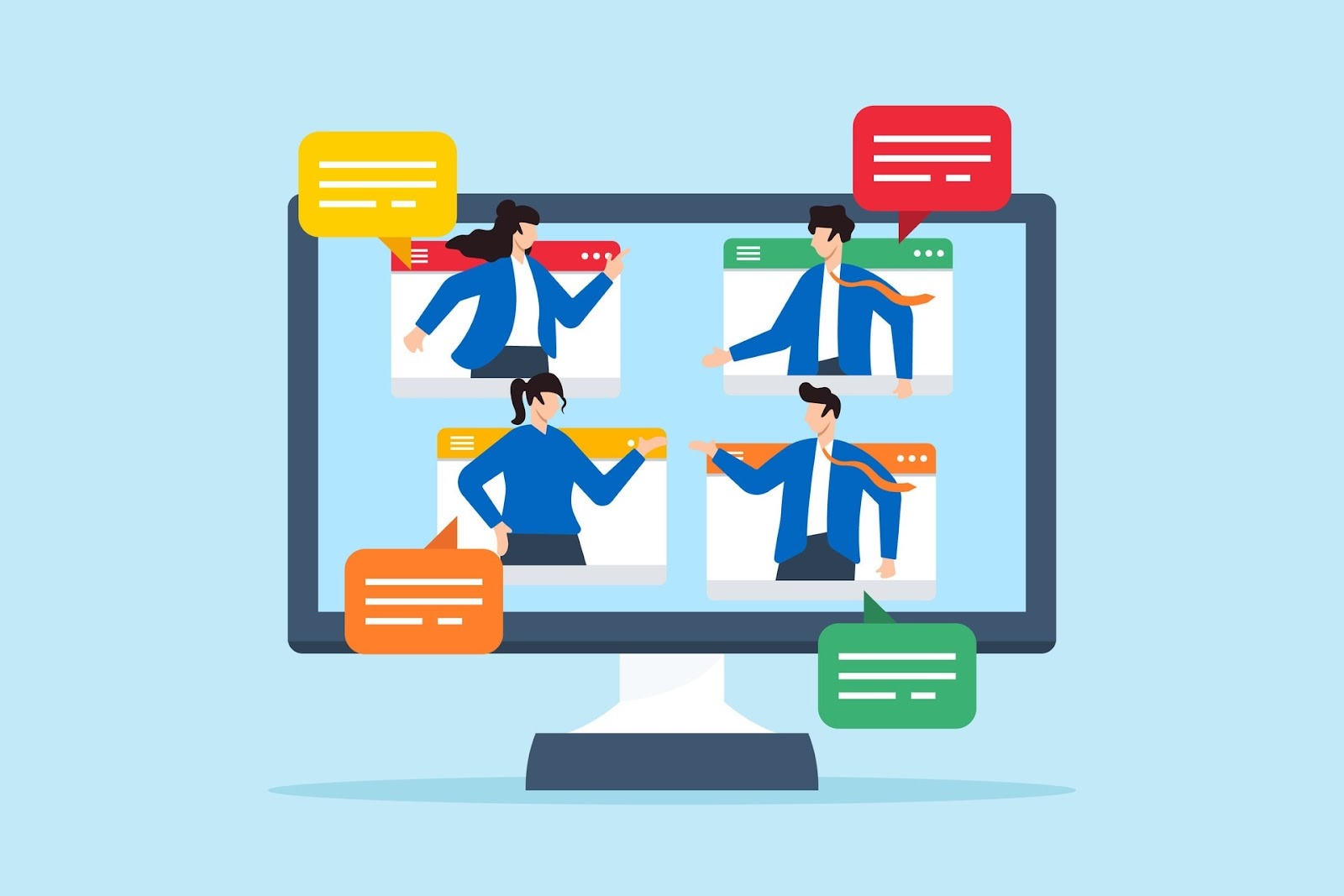
Without this, you're constantly switching between tools and losing context. With it, you can see the complete conversation regardless of which channel each message came through.
Analytics and Reporting
Powerful analytics help you gain insights into customer behavior, engagement trends, and campaign performance. Based on comprehensive reports, you can refine strategies and improve retention.

Look for platforms that show you not just activity metrics but outcome metrics—how engagement correlates with retention, expansion, and satisfaction scores.
AI-Driven Insights
AI integrations help manage data quickly and derive meaning from it. Leverage AI to analyze behavior and predict engagement opportunities.
For example, AI that identifies customers showing signs of disengagement lets you intervene before they churn. AI that spots common questions helps you build self-service content.
Personalization Capabilities
Most marketers agree that personalized messages are more effective than generic ones. Software that enables personalization helps you foster stronger relationships where every customer feels genuinely welcomed.
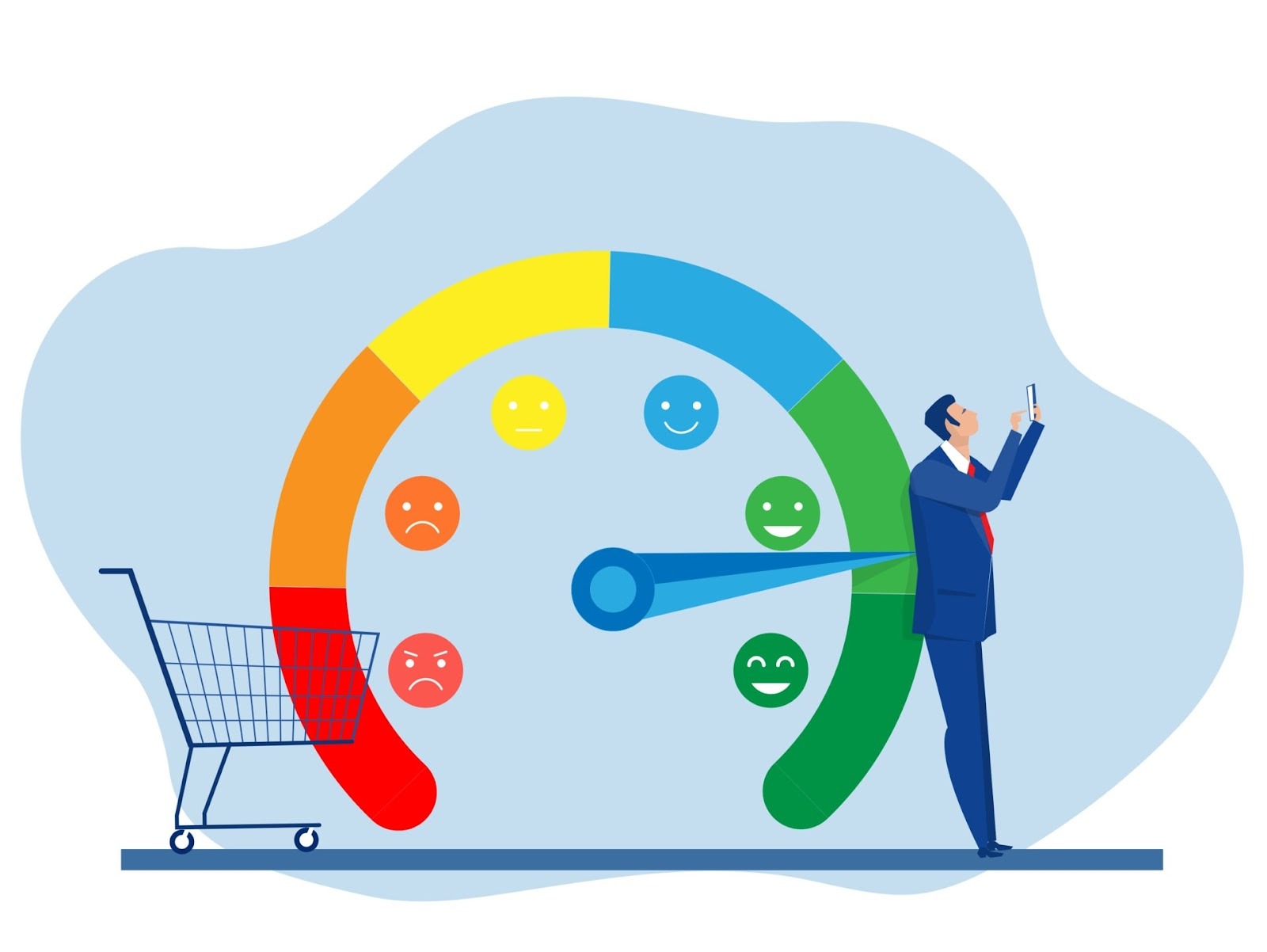
Personalization goes beyond using someone's name—it means relevant content, timely messages, and context-aware interactions.
Automation
Automating repetitive tasks frees your team to be more strategic while boosting consistency. Automated follow-ups, reminders, and personalized messages at scale ensure no customer falls through the cracks.

The goal isn't removing humans from engagement—it's removing manual work so humans can focus on high-value interactions.
Benefits of Customer Engagement Software
You can't afford to overlook these tools. With rapid changes in customer expectations and increasing reliance on digital channels, engagement platforms provide strategic advantage.
Customer Satisfaction
Meeting customers where they are and tailoring interactions to preferences results in higher satisfaction. Timely responses and personalized offers show customers their needs are prioritized, creating positive brand perception.
Increased Revenue
Engaged customers are more likely to make repeat purchases and explore additional products. Automated insights identify upselling opportunities while personalized recommendations encourage larger transactions.
Improved Workflow
Automation of routine tasks like follow-ups and feedback collection ensures operational efficiency. Your team can focus on creative and strategic initiatives rather than manual processes.
Brand Loyalty
Consistent engagement builds trust and strengthens emotional connections. Maintaining meaningful interactions over time creates higher retention and long-term loyalty that transactional approaches can't match.
Evaluating Your Options
With many tools available, evaluation can feel overwhelming. Here's how to think through the decision.
Community-First Platforms
Some platforms focus on building community as the foundation for engagement. These create spaces where customers connect with each other and with your brand—discussion forums, Q&A spaces, knowledge bases, and feedback channels.
The advantage: engagement becomes self-sustaining as customers help each other. The community generates value continuously rather than requiring constant outreach from your team.
Community platforms work well for B2B SaaS companies where customers face similar challenges and can learn from each other. They scale support, gather feedback, and create advocates simultaneously.
Support-First Platforms
Other platforms focus on ticketing and support interactions as the primary engagement channel. These excel at managing support volume, routing issues efficiently, and maintaining service quality.
The advantage: structured workflows and clear accountability for every customer issue. The limitation: engagement is primarily reactive rather than proactive.
CRM-Extended Platforms
Some engagement tools extend existing CRM functionality. These centralize customer data and add engagement capabilities on top.
The advantage: unified view of customer relationships across sales, marketing, and support. The limitation: often complex and expensive, requiring significant implementation effort.
Messaging-First Platforms
Other platforms focus on real-time messaging—live chat, in-app messaging, chatbots. These excel at immediate response and conversational engagement.
The advantage: fast resolution and natural conversational experience. The limitation: less effective for building ongoing community and accumulating knowledge.
Choosing the Right Tool
When selecting software, consider several factors.
Business Goals
Identify the key outcomes you're aiming for. Is it higher retention? Better brand positioning? Community for advocacy? Support deflection? Different tools excel at different outcomes.
Scalability
Choose a platform that grows with your business. Some tools are budget-friendly for small teams but become expensive or unwieldy at scale. Others require significant upfront investment but scale efficiently.
Budget
Ensure the tool fits your financial constraints. Expensive enterprise platforms are powerful but may exceed your needs. Focus on value delivered, not feature count.
Ease of Use
Opt for user-friendly interfaces to minimize learning curves. Ease of use matters for your team and for customers on the other end of the interaction.
Best Practices for Maximizing ROI
To achieve the best results, invest in your people, trust the data, and learn your software deeply.
Regular Staff Training
Your team needs to be proficient with the software to unlock its potential. Conduct periodic training on new features and updates. Equip staff with hands-on practice and real-time support.
Leverage Analytics
Analytics are a goldmine of insights. Use reporting tools to monitor behavior, identify trends, and measure success. When analytics show what's working, double down on it.
Keep Software Updated
Customer needs and market trends evolve constantly. Regularly update your platform to incorporate latest features and maintain compatibility. An updated platform ensures you keep pace with customer expectations.
Common Challenges
Here are challenges you're likely to face when adopting engagement platforms.
Resistance to change happens when teams are comfortable with existing tools. Involve employees early in decisions and provide adequate training to smooth adoption.
Data silos occur when tools don't integrate well. Prioritize platforms that connect to your existing stack and centralize data.
Overcomplication results from choosing tools with more complexity than needed. Start with straightforward workflows and add sophistication over time.
Getting Started
Customer engagement management software is a game-changer for businesses looking to build lasting relationships.
The best platforms don't just help you communicate—they help you build community. They create spaces where customers connect with each other, support becomes self-service, and engagement generates value continuously.
Look for platforms that combine community capabilities with the analytics and integrations you need to connect engagement to business outcomes.
Ready to transform your customer engagement? Talk to sales for a demo.
FAQs
What is customer engagement software?
Customer engagement software helps businesses interact with customers across various channels, enabling personalized, meaningful, and timely communication to improve satisfaction and loyalty. It centralizes interactions and provides analytics to optimize engagement over time.
What is the difference between CRM and customer engagement platforms?
CRM focuses on managing customer data and relationships—tracking deals, storing contact information, logging interactions. Customer engagement platforms focus on real-time, multichannel interactions to enhance customer experiences. Many businesses use both, with the engagement platform connecting to the CRM.
Do we need separate tools for support and engagement?
Not necessarily. Some platforms combine support and engagement functionality. The question is whether your primary need is reactive support (handling tickets efficiently) or proactive engagement (building ongoing relationships). Many B2B SaaS companies benefit from community platforms that do both.
How do we measure engagement software ROI?
Track metrics that connect to business outcomes: support ticket deflection, customer retention rates, Net Promoter Score, and customer lifetime value. Compare these metrics before and after implementation, and between engaged and non-engaged customer segments.