Customer-Led Growth: How Brands Win by Putting Customers First
When was the last time you trusted an ad more than a friend's recommendation? Probably never. Buyers ignore cold outreach, skim past ads, and block pop-ups—but they do listen to each other.
That's why the brands winning today aren't just pushing products or chasing sales. They're putting customers at the center—and letting those customers fuel their growth.
Customer-led growth flips the script. Happy customers share their stories. Communities build trust. Real feedback shapes better products. Customer advocacy becomes your most powerful marketing channel.
Brands that put customers first don't just keep people happy—they unlock a powerful way to drive business growth that's authentic and sustainable.
What Is Customer-Led Growth?
Customer-led growth is a strategic approach that puts your customers at the heart of how you acquire, retain, and expand your business. Instead of relying only on sales teams or self-serve product features, you turn your happiest customers into your strongest growth engine.

In simple terms: when your customers succeed, your brand grows through word-of-mouth, authentic advocacy, and real feedback that shapes what you build next.
Customer-led growth blends the best of several approaches:
Customer success means keeping customers happy and helping them reach their goals.
Advocacy and ambassador programs means turning satisfied customers into vocal promoters.
Community-led growth means creating spaces where customers connect, share, and support each other.
Feedback loops means using real customer insights to improve your product and operations continuously.
The result is sustainable growth driven by people who genuinely trust you and want others to join them.
How Customer-Led Growth Differs from Other Models
Not all growth strategies work the same way—and that's a good thing.
Sales-led growth relies on dedicated sales teams, demos, and negotiations to win deals. It's common in enterprise and high-ticket B2B sales.
Product-led growth puts your product front and center—self-serve sign-ups, free trials, and in-app upgrades. PLG is big in SaaS and startup environments.
Customer-led growth goes a step further. It focuses on turning customers into your main source of acquisition through advocacy, community, and continuous feedback.
Customer-led growth doesn't replace sales-led or product-led strategies—it complements them. When done right, all three can work together to build trust, deepen loyalty, and unlock more sustainable growth.
Why Customer-Led Growth Is Becoming Essential
The way people buy—and trust—has changed. Traditional tactics alone don't cut it anymore.
AI-driven search and zero-click content mean buyers get answers faster, without ever landing on your site. You can't rely on ads alone to reach them.
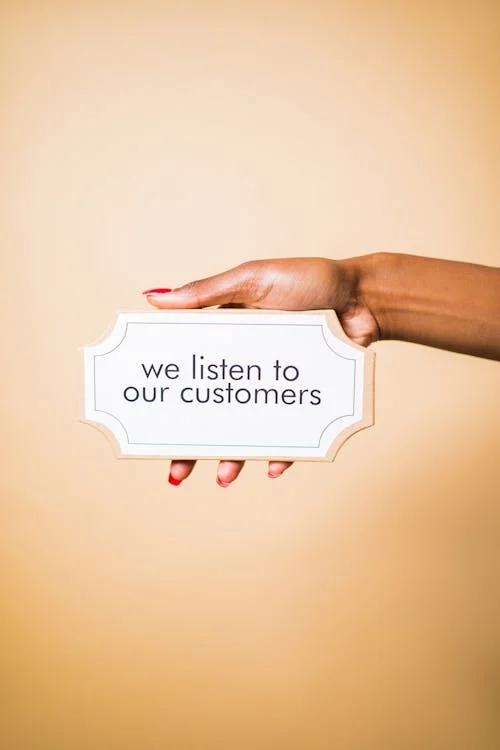
People trust people, not brands. Research shows that the vast majority of consumers trust recommendations from peers over paid advertising. When existing customers advocate for you, it reaches new customers authentically.
Communities lower costs and boost retention. A strong customer community acts as a support network, reducing acquisition costs and keeping customers around longer.
It closes the gap between teams. When real feedback flows from customers into your product, marketing, and success teams, you stay aligned with what people actually want—not what you think they want.
In short, customer-led growth is how modern brands stay relevant in a world where trust and authenticity win every time.
Implementing a Customer-Led Growth Strategy
Customer-led growth isn't a single tactic—it's a set of repeatable steps that make your customers the heart of your business.
Start with Customer Success as the Foundation
There's no growth if you aren't meeting customer expectations. Make sure you're investing in onboarding, support, and proactive success programs. Track customer health closely and step in before churn risks become lost revenue.
More importantly, ensure every team—from product to marketing to support—is aligned around one goal: delight customers and help them achieve real outcomes.
Build Feedback Loops into Your Product
Your customers are your most valuable source of insight. Treat feedback as a living, breathing part of your roadmap. Regularly gather input on features, pain points, and experience challenges—and act on what you learn.

When customers see their ideas shape what you build next, they feel invested and stick around longer.
Create a Customer Community
A branded community becomes the heartbeat of your customer-led strategy. It's a dedicated space where customers connect, help each other solve problems, and share their success stories.
Communities foster genuine relationships, encourage user-generated content, and make it easy to gather feedback—all while deepening trust in your brand.
Turn Customers into Advocates
Referrals and word-of-mouth shouldn't be left to chance. When you intentionally invite your best customers to spread the word, they will.
Encourage customer-generated content like testimonials, case studies, and community posts. Launch referral programs that reward loyal users. Build ambassador programs for your biggest fans. Create opportunities for co-created content.
This is how advocacy scales.
Measure, Optimize, Repeat
What you don't measure, you can't grow. Keep a close eye on community engagement metrics, customer satisfaction scores, expansion revenue, and how much of your pipeline comes from referrals or advocacy.
The best customer-led growth strategies evolve over time—small tweaks, better feedback loops, and deeper relationships keep your growth engine running.
Examples of Customer-Led Growth
Some of today's most successful brands thrive because their customers help drive them.
Shopify runs a community of over 900,000 members where merchants help each other launch and grow. Their Partner Program turns successful merchants into brand advocates who bring in new users.
Notion has a template gallery built entirely by users, covering thousands of free and paid templates. Their Ambassador program and Certified Consultants strengthen peer education.
Figma exploded thanks to its community hub where users share design files and plugins. Local community groups run meetups and workshops, extending Figma's reach through passionate users.
ConvertKit built a creator community where customers connect, learn, and grow together. By encouraging creators to help each other, ConvertKit turns its community into an engine for customer-led growth.
The Role of Community in Customer-Led Growth
Communities amplify your marketing efforts by turning customers into creators of content, advocates for your brand, and trusted voices in your industry.
Customer-led growth works best when you give customers a dedicated, branded space to connect, share, and succeed together. This isn't an add-on—it's a core part of how you grow with your customers.
A branded community hub creates a space that feels like an extension of your product. Discussion boards, Q&A spaces, and groups make it easy for customers to support each other. Ideation tools let you collect and act on customer ideas. Resource hubs help customers showcase wins and share what they've learned.
When your community creates authentic stories, testimonials, and success content, you can turn that customer-generated content into powerful marketing.
Ready to build your customer-led growth engine? Talk to sales for a demo.
FAQs
What is customer-led growth?
Customer-led growth is a strategy where your customers drive acquisition, retention, and expansion through advocacy, community, and feedback. Happy customers become your best marketing and support channel.
How is customer-led growth different from product-led growth?
Product-led growth puts your product at the center—self-serve signups, free trials, in-app conversion. Customer-led growth puts customers at the center—their advocacy, their community, their feedback drive your growth. The two approaches complement each other.
How do we get started with customer-led growth?
Start with customer success fundamentals—make sure customers are actually succeeding with your product. Build feedback loops to learn what they need. Create community space for them to connect. Then develop programs to turn satisfied customers into advocates.
How do we measure customer-led growth?
Track metrics that show customer impact on growth: referral conversion rates, pipeline influenced by advocacy, community engagement, customer-generated content volume, and Net Promoter Score. Compare these to your overall growth to see the customer-led contribution.