Brand Advocacy for B2B SaaS: Turning Customers Into Authentic Promoters

Every company wants its customers to rave about its products or services. Whether it's the benefits they receive from using your products or the excellent customer service you provide, you want people to view your brand positively.
When current or past customers share their positive experiences, love your brand, or promote your products and services, that's brand advocacy.
Brand advocacy is one of the most effective ways to attract new customers and cut down on marketing costs. Since most brand advocates share their experiences for free, your company receives free advertising and can reach a wider audience without increasing spend.
What Is a Brand Advocate?
People are heavily influenced by the opinions of people in their network. So nurturing brand advocates can be a powerful way to grow your company.
Creating brand advocates is a powerful way to seriously grow your exposure. It's also a relatively organic form of promotion, which means it can be cheaper than other forms of advertising.
A brand advocate is either a customer or an employee who continuously supports your brand by sharing your products or services with their networks. Depending on the size of their networks, a single brand advocate could help you reach thousands of potential customers simply by sharing your products on social media or recommending you in professional conversations.
Identifying Your Current Brand Advocates
Generally, there are two types of brand advocates—those who buy from your company and those who work for your company. Each plays a vital role in your overall brand advocacy strategy.
Customers as Advocates
A company's customers are the biggest component of your brand advocacy strategy. They're often your company's biggest cheerleaders and usually account for most user-generated content that focuses on your brand.
Most customer brand advocates love your product or service and want to tell the world about it. It's common for these individuals to post about using your product on social media or recommend your brand to others online who are looking for advice on what company to choose.
Companies need to acknowledge and thank brand advocate customers for their continued support. An occasional thank you post or responding to one of their comments goes a long way in establishing a relationship with these key individuals.
Employees as Advocates
Employees can also play a vital role in your overall brand advocacy strategy. While they aren't using your products the way customers do, they're intimately involved with your brand. This closeness makes them a go-to source when potential customers think about using your business.
Many customers ask employees what they think of the organization or review information shared online by staff. If employees are constantly posting positive things about their company, it helps create positive sentiment among customers and prospects.
Why Brand Advocates Matter
Brand advocates are crucial for any type of organization. Consumers rely on the experiences of others before purchasing a product or service. By nurturing the relationship between your company and brand advocates, you gain access to a powerful resource.
Organic Brand Growth
When it comes to increasing traffic to your website, organic is seen as the best possible option. Organic traffic is cheaper than paid traffic and provides better long-term results.
Brand advocates can be a great way to supplement your organic traffic strategy. Not only do advocates love your products, but they can push those products in front of hundreds of their connections. This ultimately saves you thousands of dollars by avoiding expensive paid advertising on social media platforms.
More Attention and Coverage
It's a well-known fact that the more people talk about a topic or brand, the more coverage that brand receives from media outlets. As you gain more brand advocates, you'll notice your company has more opportunities to be mentioned in publications and news articles.
Expanded Reach
Having brand advocates helps you broaden your reach exponentially. Marketing to larger audiences can be extremely costly, especially in different geographical locations. However, if you establish relationships with brand advocates in various regions, you can expand your reach and brand into new territories without proportionally increasing marketing spend.
Showcased Value
Before buying, most potential customers look for product reviews or testimonials from other customers. It's a proven fact that people trust other people more than they trust the actual business. By showcasing your brand advocates and their thoughts on your products or services, you provide potential customers the opportunity to connect with a real person's experience.
Customer Loyalty
It goes without saying that brand advocates tend to be loyal customers. However, it's important to nurture these relationships as you don't want to lose one of your biggest supporters. Offering benefits to your most loyal customers shows your appreciation for all they do to spread the word about your brand.
How to Promote Brand Advocacy
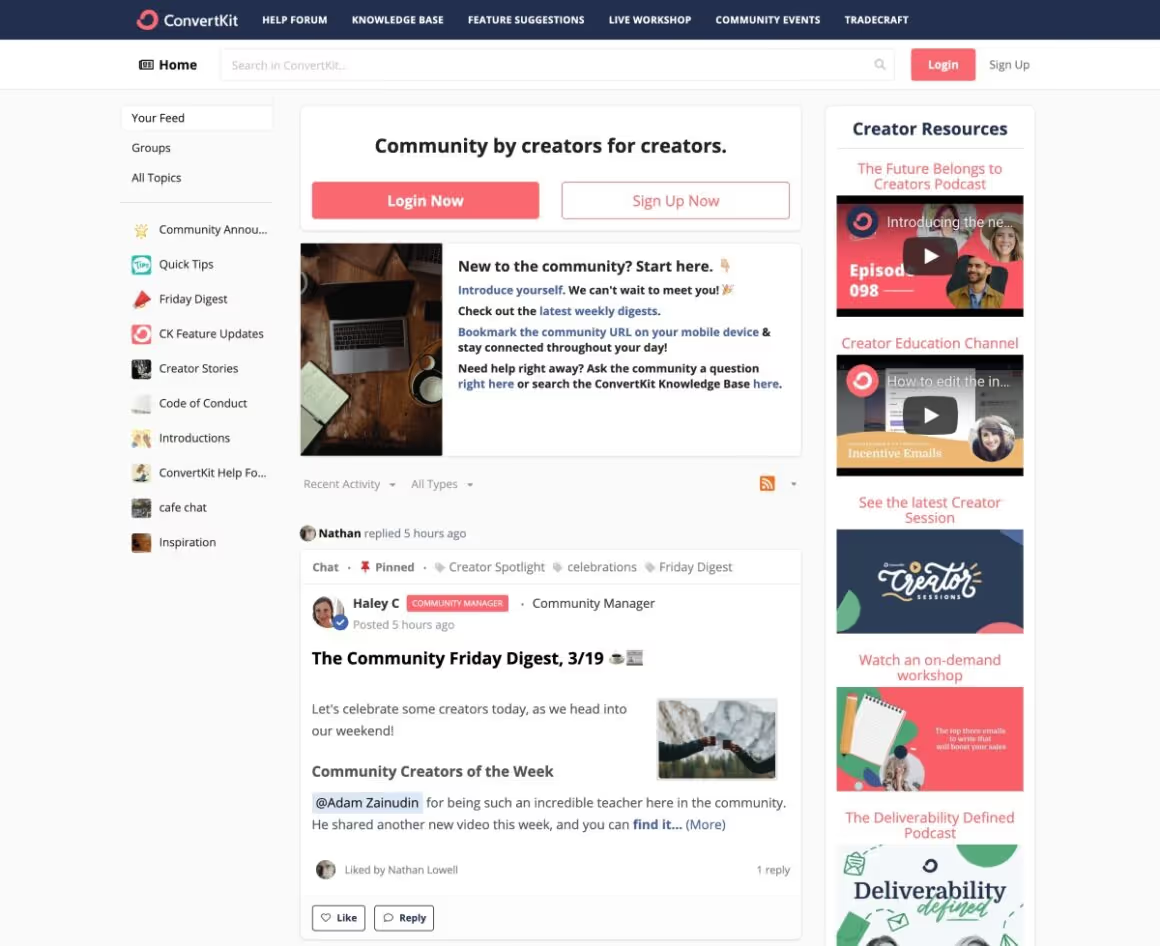
Now that we see the importance of brand advocacy, how do you encourage your customers to promote your brand?
The easiest way to promote brand advocacy is through your products themselves. If customers love using your product or it helps solve a problem they care about, they're more likely to share their experience with others.
Here are proactive ways to encourage customers to promote your products or services.
Make sharing easy. Remove friction from the process of sharing experiences online. Give customers simple ways to post reviews, share content, or recommend you to colleagues.
Offer referral incentives. While you shouldn't pay for advocacy directly, offering incentives for referrals gives customers a concrete reason to make introductions.
Engage with advocates on social media. When customers mention you positively, respond. Acknowledge their support and make them feel seen.
Include advocates in promotions. Feature customer stories in your marketing. Let advocates be part of the brand narrative.
Create personalized experiences. Use customer data to show advocates you understand and value them individually.
Challenges in Establishing Brand Advocacy
As with anything, there are challenges to establishing brand advocacy among your customer base. One of the biggest difficulties is identifying customers who can be converted to brand advocates.
Many companies think that just because a customer actively engages with a brand, they should be an advocate. However, that isn't always the case. Brand advocates are customers who support the brand and promote it to their connections without being prompted. They do it because they genuinely believe in what you're building, not because you asked them to.
The distinction matters. Prompted testimonials have value, but organic advocacy carries more weight with prospective customers. Your goal is creating experiences so positive that customers want to share them naturally.
Building Your Brand Advocacy Program with Bettermode
Few things nurture brand advocates quite like community. When happy customers have a space to connect with each other and your team, their enthusiasm doesn't just stick around—it grows and spreads.
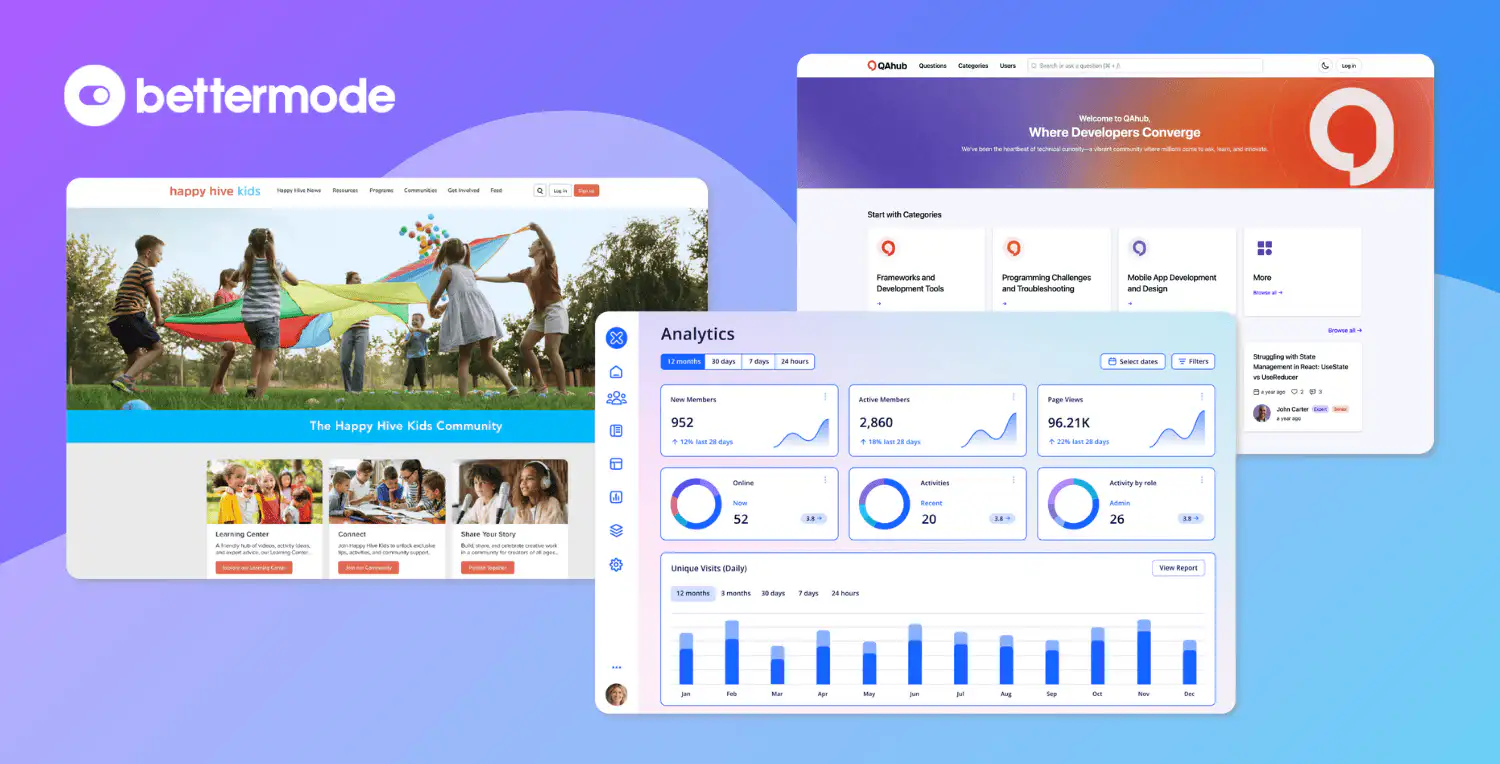
Bettermode helps you find those advocates, support them, and give them ways to champion your brand. Discussion Spaces are where a lot of this happens organically. People share stories, swap tips, and talk about what's working for them. Member Profiles shine a light on your most active contributors, giving them public recognition for the value they add. Gamification takes that further with reputation scores and badges that reward advocacy and make accomplishments visible to the whole community.
If you want to bring advocates closer together, Events create opportunities for deeper connection—both with your brand and with each other. Analytics come in handy for spotting who might be on the path to becoming an advocate by tracking engagement and activity over time. And with Design Studio, you can shape a branded experience people actually feel proud to be part of.
HubSpot and Salesforce integrations connect what's happening in your community to your customer data, so you can start seeing patterns in who's turning into an advocate. Security-wise, Bettermode covers the enterprise basics: SOC2 compliance, SSO through JWT, OAuth, SAML, and Okta, plus data residency options.
Pricing
There are three plans to choose from.
Starter is $149 per month, fully self-service, and comes with a 14-day free trial.
Growth bumps up to $1,500 per month and adds onboarding and migration support.
Premium is priced through sales and includes a dedicated CSM, an SLA, and enterprise customization.
Key Takeaways
Brand advocacy is one of the most powerful marketing assets available to B2B SaaS companies. Advocates generate trust that paid marketing can't buy, reach audiences you couldn't access otherwise, and cost far less than traditional advertising.
The foundation of advocacy is product quality and customer experience. You can't manufacture enthusiasm—you can only create the conditions for it to emerge. When customers genuinely love what you've built, give them the tools and platforms to share that enthusiasm.
Identify your potential advocates, nurture those relationships, and create experiences worth talking about. That's how brand advocacy grows.
Ready to build your advocacy program? Talk to sales for a demo.
Related Resources
FAQs
What is a brand advocate?
A brand advocate is a customer or employee who actively promotes your brand to their network without being asked or compensated. They share positive experiences, recommend your products, and genuinely want your company to succeed. The key distinction is authenticity—advocates promote because they believe in you, not because they're paid to.
How do you identify potential brand advocates?
Look for customers who already exhibit advocacy behaviors: sharing content about your product, responding to questions about your brand online, referring colleagues, providing positive reviews, or engaging actively in your community. High NPS scores and long tenure are also indicators, but actions matter more than survey responses.
How do you promote advocacy without it feeling forced?
Focus on creating experiences worth sharing rather than asking customers to share. Make it easy to refer, recognize advocates publicly, and build community where enthusiasm can spread naturally. The best advocacy programs create conditions for organic promotion rather than soliciting testimonials.
What's the difference between brand advocacy and influencer marketing?
Brand advocates promote you because they genuinely believe in your product. Influencers promote you because you pay them. Both have value, but advocacy carries more credibility because it's not transactional. Prospects know the difference between paid promotion and genuine enthusiasm.