Gamification for B2B SaaS Communities: Driving Engagement Through Game Elements
You've tackled the technical part of building a community—setting up the platform and creating space for users to connect. But now comes the tricky part: how do you activate members and keep them engaged?
Gamification might be the answer.
It's not just about entertainment. It's about building stronger community bonds and driving long-term engagement through game elements, challenges, and reward systems. For B2B SaaS communities, gamification can transform passive users into active contributors who help each other succeed.
What Is Gamification?
Gamification refers to using game-like elements in non-game contexts—like education, marketing, or community management—to increase engagement and motivate users to complete tasks.

This includes features like points, badges, leaderboards, challenges, and rewards. Gamification taps into intrinsic motivation: competition, achievement, and collaboration.
The most significant benefits for online communities are improving user experience, increasing participation, and creating habits that keep members returning.
Gamification Elements That Work
Badges
Badges give a visual cue about a community member's expertise or contributions. Since badges are awarded when members achieve something significant, they become aspirational—members work toward earning them.

Other members recognize that badge-holders have been quality contributors. This recognition motivates everyone.
Effective badge types for B2B communities:
- Expertise badges: Awarded for demonstrating knowledge in specific areas
- Contribution badges: Earned through quality posts, answers, or resources shared
- Milestone badges: Celebrating longevity or activity levels (100 posts, 1 year membership)
- Special recognition badges: Manually awarded by community managers for exceptional contributions
- Product mastery badges: Earned by completing certifications or demonstrating product expertise
When defining badges, ensure they reflect your brand guidelines and align with community goals.
Reputation Scores
Reputation systems quantify member contributions. Points accumulate based on activities like posting, answering questions, receiving upvotes, or having answers marked as solutions.
Reputation scores help members identify trusted contributors. When someone with high reputation answers a question, others can trust that answer more readily.
For B2B communities, reputation systems also help identify potential advocates, beta testers, or candidates for customer advisory boards.
Leaderboards
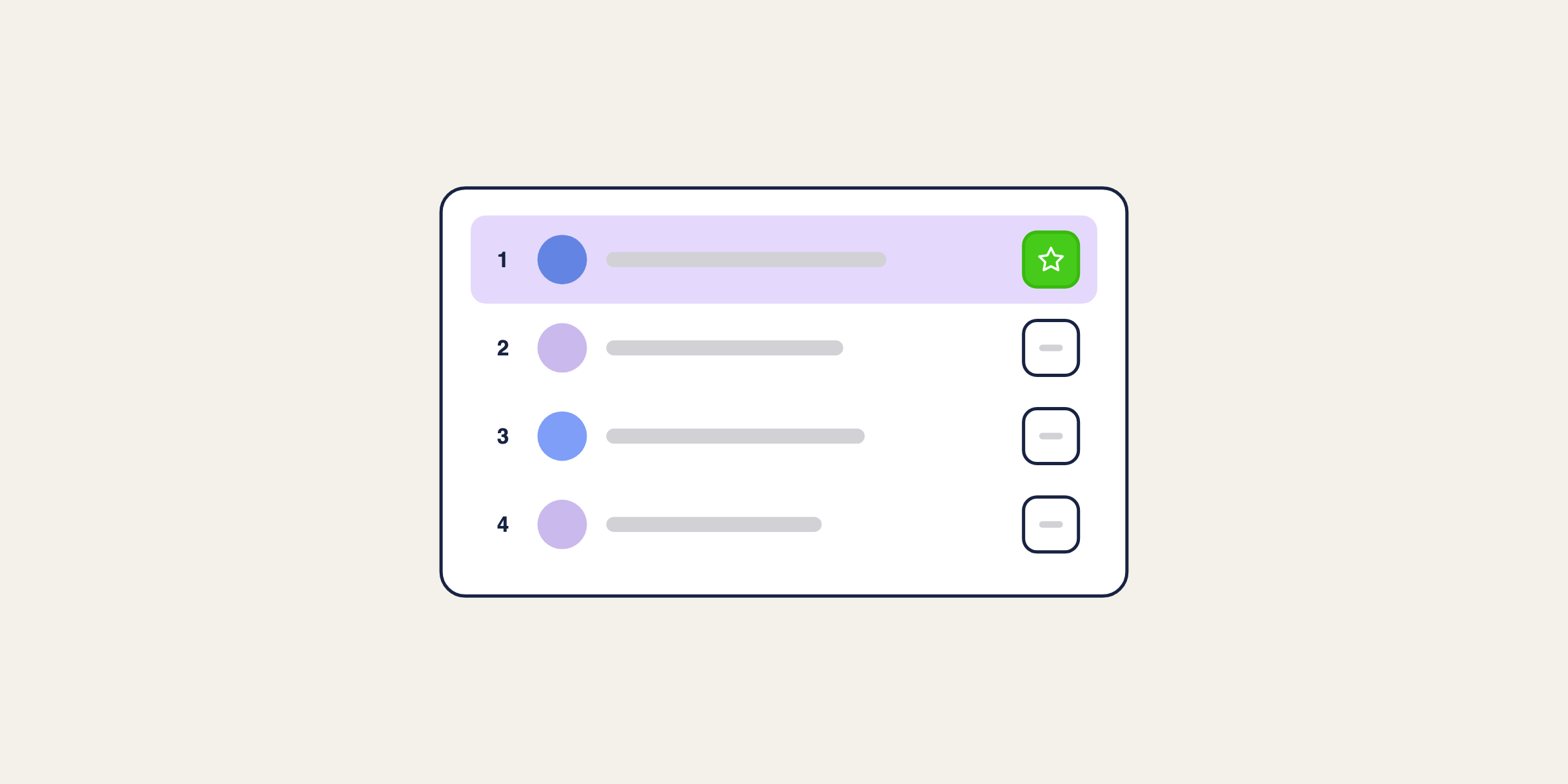
Leaderboards display top contributors, creating friendly competition. They work well for challenges or specific time periods (this month's top contributors).

Use leaderboards carefully—they can demotivate members who feel they can't compete. Consider multiple leaderboards (by topic, by activity type, by time period) so more members can achieve recognition.
Levels and Status
Progressive levels give members something to work toward. New members start at a basic level and advance as they contribute. Higher levels can unlock privileges like access to exclusive content, ability to moderate, or direct access to your team.
Status creates aspiration. Members see what's possible and understand the path to get there.
Challenges and Missions
Structured challenges encourage specific behaviors. Examples:
- Onboarding challenges: Complete your profile, introduce yourself, answer one question
- Contribution challenges: Share a tip, post a success story, help five members this week
- Learning challenges: Complete a product tutorial, achieve a certification
- Community challenges: Participate in an AMA, join a discussion thread
Challenges work best with clear timeframes and visible progress tracking.
Designing Gamification for B2B Communities
Reward Valuable Behavior
Rewards shouldn't just incentivize transactional activities. They should recognize contribution and valuable social behavior. Points and badges should go to members who genuinely help others, not just those who post the most
Add a personal and human touch when distributing rewards. A message from a community manager saying "We noticed your helpful answer" means more than an automated badge.
Design for Your Community's Goals
One gamification system can't satisfy all members. Think about how gamification serves the larger goal of your community:
- Support community: Reward answering questions, especially ones that get marked as solutions
- Feedback community: Reward detailed feedback, voting on ideas, participating in beta programs
- Learning community: Reward completing courses, sharing knowledge, helping newcomers
- Networking community: Reward making connections, participating in events, introducing members
Encourage Group Achievement
Add gamification elements that encourage members to build connections and accomplish goals together. Team challenges create stronger, more complex networks within your community.

When competition is leveraged to create teams working toward shared outcomes, it fosters community-building rather than individual rivalry.
Make Goals Reachable
If goals are complex or seem far-fetched, they demotivate and cause frustration. Members should be able to reach different levels in a reasonable manner.
Break large goals into smaller milestones. Celebrate progress, not just completion.
Implementation Considerations
Start Simple
Don't implement every gamification element at once. Start with basics—perhaps badges for contributions and a simple reputation score. Add complexity as you learn what motivates your specific community.
Integrate with Your Product
When your product integrates with your community, you can award points for successfully using product features. Define badges like "Fast Learner" for members who quickly explore most features.
This reinforces product adoption while encouraging community participation.
Connect to Business Outcomes
For B2B communities, tie gamification to outcomes that matter:
- Support deflection: Members who answer questions reduce support tickets
- Product adoption: Members who share tips and best practices help others succeed
- Retention: Engaged community members have higher product retention
- Advocacy: Top contributors often become references and advocates
Track these outcomes to demonstrate community ROI.
Avoid Common Pitfalls
Gaming the system: If rewards are too easy to manipulate, members will post low-quality content just for points. Focus rewards on quality (upvotes, solutions) not just quantity.
Excluding newcomers: If only long-time members can earn recognition, newcomers feel excluded. Create opportunities for new members to earn badges quickly.
Overwhelming members: Too many notifications about badges and points becomes noise. Let members control their notification preferences.
Abandoning the system: Once you launch gamification, maintain it. Outdated leaderboards or badges that are never awarded signal neglect.
Gamification in Practice
Community platforms designed for engagement—like Bettermode—include built-in gamification features:
Customizable badges: Create badges that match your brand with custom names, colors, and icons. Automate common badges (like "New Member" for the first 14 days) while manually awarding special recognition.
Reputation systems: Configure how points are earned based on different activities. Weight actions according to your priorities.
Leaderboards: Display top contributors by time period, topic, or activity type. Update in real-time to maintain engagement.
Integrations: Connect community activity to your CRM to track which customers are most engaged. Identify advocates, at-risk customers, and candidates for case studies based on community participation.
These tools let you implement gamification without custom development—configure and iterate based on what works for your community.
Ready to engage your community with gamification? Talk to sales for a demo.
FAQs
Does gamification work for B2B communities?
Yes, when designed appropriately. B2B professionals respond to recognition, expertise validation, and status among peers. Avoid overly game-like elements (animated celebrations, childish graphics) and focus on professional recognition and meaningful achievement.
How do we measure gamification success?
Track engagement metrics before and after implementing gamification: posts per member, questions answered, return visits, time on site. More importantly, track business outcomes: support ticket deflection, customer retention among engaged members, and advocacy actions.

What if members try to game the system?
Design rewards around quality, not quantity. Award points for upvotes received, answers marked as solutions, or content that gets engagement—not just for posting. Monitor for abuse and adjust the system when you see gaming behavior.
How do we keep gamification fresh over time?
Introduce new badges periodically. Run time-limited challenges. Recognize different types of contributions. Refresh leaderboards with new categories. Keep iterating based on what motivates your specific community.
Can gamification backfire?
Yes, if implemented poorly. Overemphasis on competition can create toxic dynamics. Rewards for quantity over quality produce spam. Unreachable goals demotivate. Start simple, monitor results, and iterate based on member response.