Community Platforms for Online Events: Engaging Audiences Before, During, and After
Both online communities and events share common elements: networking, ideation, knowledge-sharing, and discussions. Especially in the virtual events space, many real-world events have been transformed into digital formats. This makes it highly valuable to leverage a community platform for online events—getting the best of both worlds.
We have everything from virtual conferences and live streaming to courses, trade fairs, and webinars. Considering the similarities between community building and organizing events, connecting both creates significant value.
Although a company can plan and organize an online event without building a community, the community-driven approach enables you to engage your audience and create stronger networks not only during the event but also before and after it.
With a community platform for online events, you can build your tribe to increase event awareness, attract new attendees, and retain them for future events by delivering incredible networking value.
Why Events Need Community
The problem with most virtual events is what happens when they end. Attendees disperse. Connections fade. The momentum disappears.
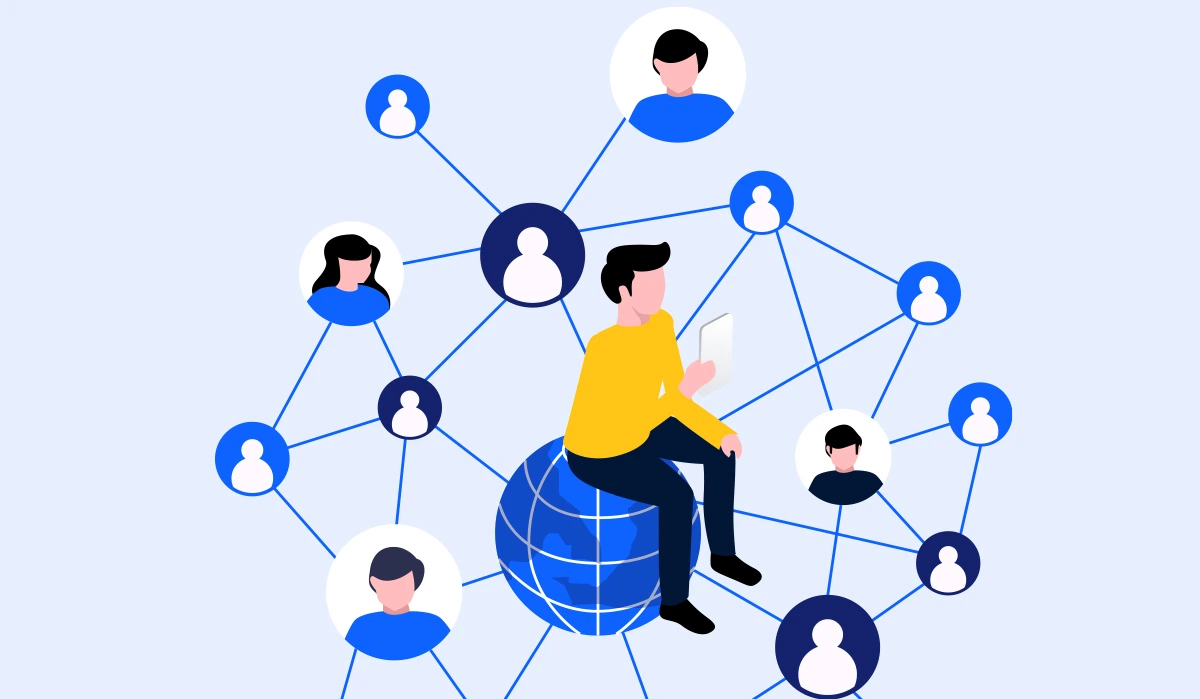
Community solves this by creating a persistent home for your event audience. Instead of a one-time experience, you create an ongoing relationship. Attendees who connect in your community before an event arrive more engaged. Those who continue connecting afterward become your core audience for the next event.
This compounds over time. Each event adds members to your community. Your community drives attendance to each event. The flywheel accelerates.
Building Community Around Your Events
Let's walk through how to create communities around events and drive engagement throughout the event lifecycle.
Start with Events That Justify Community
Ensure the events you're planning can potentially congregate people around a shared passion. When conceptualizing an event, think of a bigger theme that thrills audiences and invokes their sense of belonging to something larger than a single session.
A one-off webinar probably doesn't need a community. A recurring conference series, a cohort-based learning program, or a professional community that hosts regular events—these justify the investment in community infrastructure.
The question to ask: Will attendees want to connect with each other beyond the event itself? If yes, community makes sense.
Integrate Community with Event Infrastructure
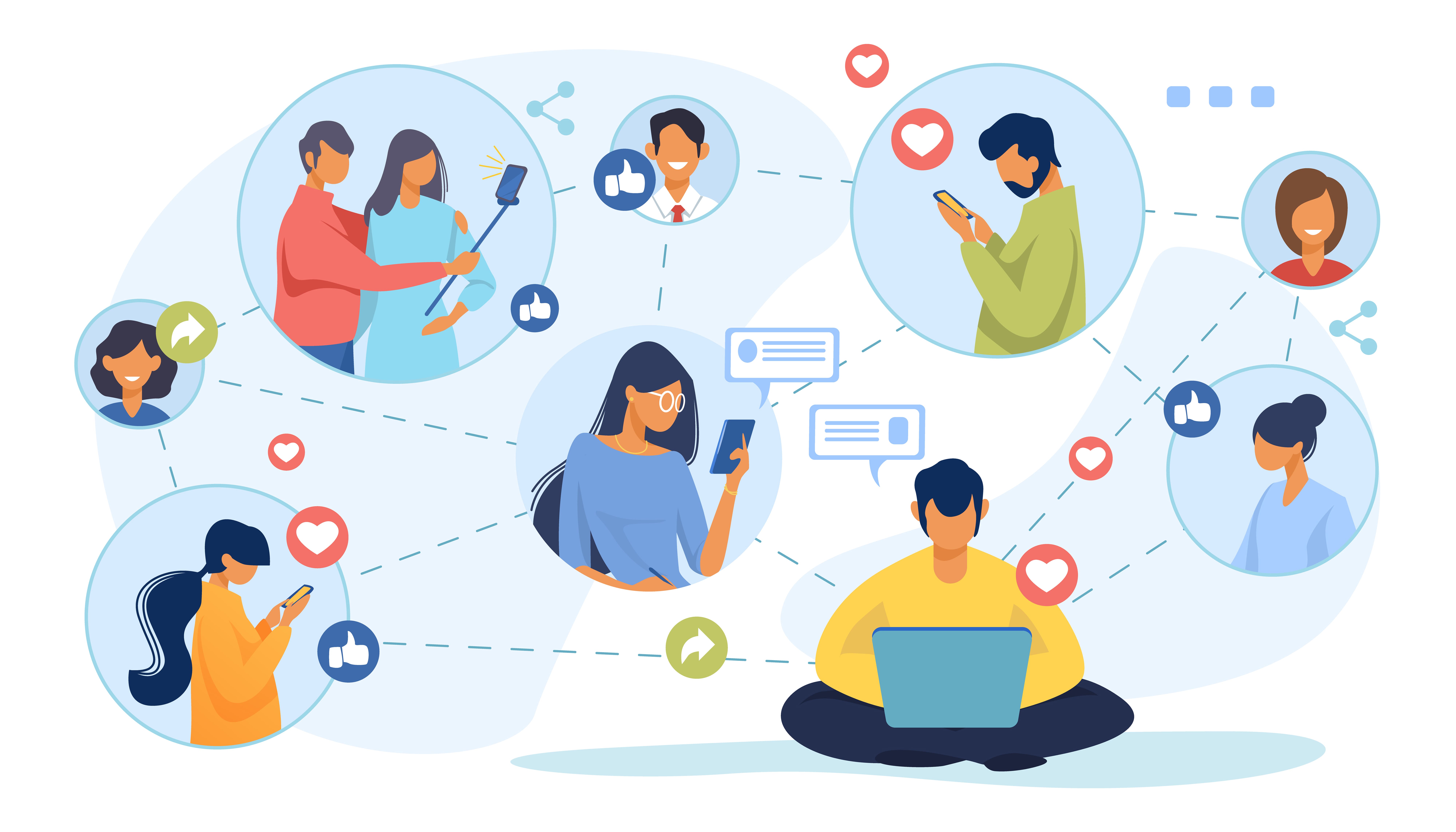
Select a platform that integrates well with event management or conferencing software. You should be able to automatically create community accounts for registrants and deliver social touchpoints inside the event experience by embedding community components like discussions and feeds.
The goal is seamless flow between event and community. Attendees shouldn't feel like they're jumping between disconnected experiences.
Co-Create with Your Audience
Gather feedback from audiences from the beginning to ensure they're actually co-creating the experience with you. When attendees contribute to shaping events—suggesting topics, voting on sessions, asking questions in advance—they become invested in both the event and the community.
This investment translates to attendance, engagement, and loyalty.
Drive Engagement Throughout
With notifications, engaging content, and gamification, you can maintain community engagement between events. Empower members to post questions, initiate discussions, participate in polls, react to content, earn badges, and build reputation. These ongoing interactions keep your audience warm between events.
Enable Networking Across the Event Lifecycle
The community enables members to connect before, during, and after events. This lets them candidly share experiences and build lasting networks. Ultimately, this increases stickiness and drives recurring attendance.
Pre-event networking builds anticipation. During-event networking deepens connections. Post-event networking sustains relationships until the next gathering.
Practical Community Features for Events
With tools like Zoom, WebEx, or streaming platforms, you can facilitate an online event. However, these tools are just one component. Although you can connect organizers and speakers with audiences, it's difficult to recreate the networking that happens naturally at in-person events.
Community platforms help recreate that magic. Here are practical ways to implement community engagement in virtual events.
Topic-Based Discussions
Create spaces around the themes of your events to enable peer-to-peer discussions. For example, if your event is about data and analytics, create spaces for Data Science, Machine Learning, Data Engineering, and related topics. These spaces remain active between events, keeping your community engaged.
Geographic or Interest-Based Groups
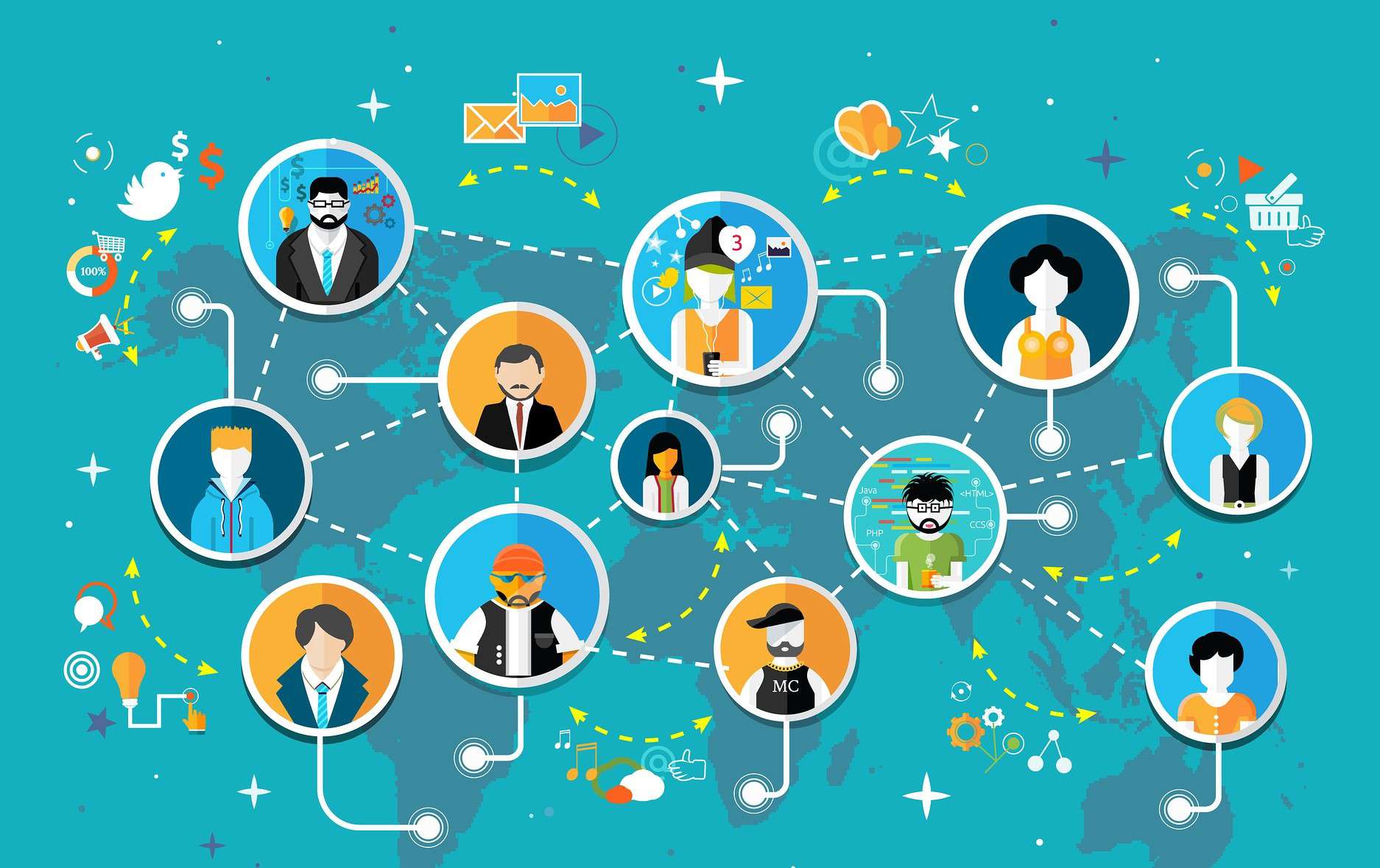
Create groups to congregate members with shared interests or locations. You might create groups for attendees from different regions, or groups based on subscription tiers or membership levels. These smaller communities within your larger community help people find their tribe.
On-Demand Content
Record event sessions and upload them to your community, or embed videos from YouTube or other platforms. This lets members watch sessions at their convenience. More importantly, you can initiate discussions under each video to collect feedback, share ideas, and extend the conversation beyond the live session.
Ask Me Anything Sessions
Coordinate with speakers to allocate time for live Q&A in the community. This format works well for continuing engagement after sessions end. Speakers can answer questions asynchronously, and the Q&A becomes a permanent resource for future community members.
Resource Libraries
Create a dedicated section for uploading files, presentations, questionnaires, and notes. Event resources shouldn't disappear after the event—they should become community assets that continue delivering value.
Gamification and Incentives
Run competitions using points or virtual currencies to promote content, improve participation, and incentivize engagement. Allow members to redeem points for event swag, discounts on future events, or exclusive access. This creates ongoing motivation to participate.
The Event-Community Flywheel
When events and community work together, they create a flywheel effect.
Events attract new community members. People register for your event and join your community in the process. Even if they only came for the event, they're now exposed to ongoing community value.
Community drives event attendance. Engaged community members are your most likely attendees. They've already experienced value from your brand and trust that your events will deliver more.
Community extends event value. Discussions, recordings, and connections continue generating value long after the event ends. This extended value justifies the time attendees invested.
Engaged attendees become community contributors. The most engaged event attendees often become active community members—asking questions, sharing insights, and helping others. They transition from passive attendees to active participants.
Each cycle strengthens both the community and your events.
Getting Started
Creating an engaging community for online events requires a platform that supports both persistent community features and event-specific functionality.
Look for a platform that offers discussion spaces for ongoing conversation, event capabilities for scheduling and promotion, content hosting for recordings and resources, and integration with your video conferencing tools. Bettermode provides these capabilities with embeddable components that let you add community elements directly into your event experience.
The key is thinking beyond individual events to the ongoing audience relationship. Events become moments of concentrated engagement within a larger community experience.
Ready to build community around your events? Talk to sales for a demo.
FAQs
Do we need a community for every event?
Not necessarily. One-off events with no intention of follow-up don't need community infrastructure. But if you're building a recurring event series, a conference brand, or any event where ongoing audience relationships matter, community adds significant value.
Should we build community before or after our first event?
Ideally, build basic community infrastructure before your first event, then let the event drive initial membership. But if you've already run events, you can launch community afterward and invite past attendees. The key is having community ready to capture momentum when events create it.
How do we keep community active between events?
Create value beyond events: ongoing discussions, resource sharing, networking opportunities, expert Q&As. The community shouldn't just be an event waiting room—it should deliver standalone value that keeps members engaged year-round.
What if our events are small?
Small events can still benefit from community, and community can help events grow. Even a community of 50 engaged members creates networking value and provides a foundation for growing your event audience over time.